
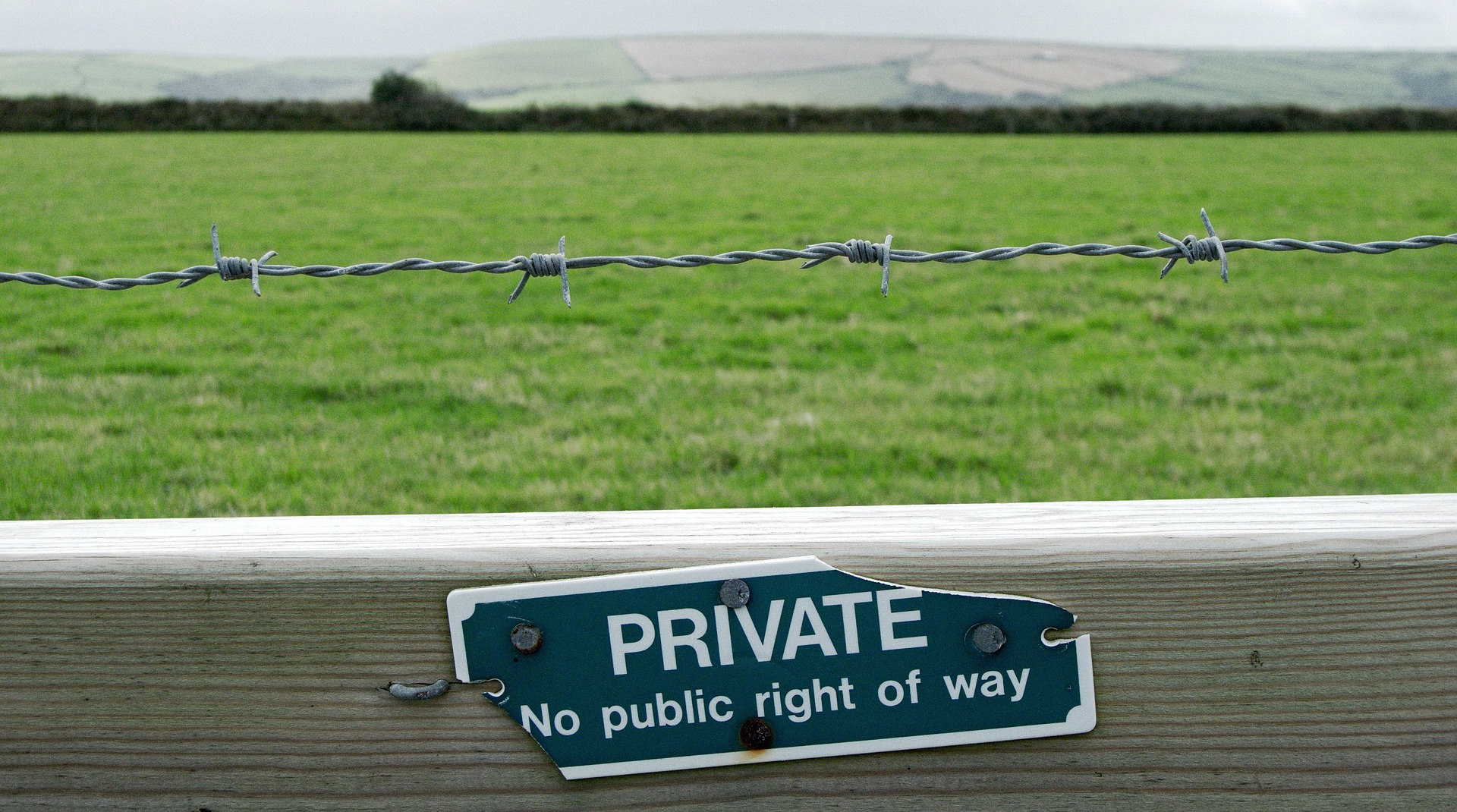
How to Set Boundaries Without Guilt
Boundaries aren’t walls. They’re the architecture of identity.
There’s a reason boundary-setting advice feels so uncomfortable to most people. It’s not because the advice is wrong. It’s because the advice usually treats boundaries as a communication technique when they’re actually an identity issue.
Saying “no” isn’t hard because you lack the right script. It’s hard because somewhere in your operating system, there’s a narrative that says “no” will cost you something essential — love, belonging, approval, safety.
Until you address that narrative, no script will feel natural. You’ll say the right words, but your voice will waver. You’ll set the boundary, but you’ll immediately feel compelled to apologize, explain, or retract it. You’ll draw the line, and then you’ll erase it at the first sign of someone else’s discomfort.
This is why the B.E.H.A.V.I.O.R. Method™ doesn’t treat boundaries as a standalone skill. Boundaries live at the intersection of Verbal Identity (how you speak), Internal Narrative (what story you’re telling about your worth), and Emotional State (whether your nervous system can tolerate the discomfort of someone being upset with you).
What Boundaries Actually Are
A boundary is not a punishment for the other person. It’s not a wall. It’s not an ultimatum. A boundary is simply a clear statement about what you will and won’t participate in, communicated without aggression, and upheld through consistent action.
“I don’t check work email after 7 p.m.”
“I’m not available for conversations that involve yelling.”
“I need 30 minutes alone when I get home before engaging in family activities.”
“I won’t lend money to anyone, regardless of the relationship.”
Notice what these statements have in common: they describe your behavior, not the other person’s behavior. That’s the distinction most people miss. A boundary isn’t “You need to stop doing that.” A boundary is “I will not participate when that happens.”
The first version tries to control someone else. The second version controls yourself. And self-control, in this context, is freedom.
Why Boundaries Feel Like Betrayal
For people who grew up in environments where love was conditional — where acceptance required compliance, performance, or self-erasure — setting a boundary feels existentially dangerous. It triggers the deep nervous system fear: “If I say no, I’ll be abandoned.”
This is the people-pleasing loop at its core. It’s not kindness. It’s survival behavior. And the payoff — the temporary avoidance of conflict or rejection — comes at a devastating long-term cost: the slow erasure of your own identity.
People who chronically abandon their boundaries eventually stop knowing what they want, what they need, or who they are. They become mirrors, reflecting whatever the person in front of them needs to see. And mirrors don’t have their own lives.
Recognizing this pattern is painful but necessary. You didn’t choose it. It was installed as a child’s best strategy for maintaining connection in an environment where connection felt precarious. But you’re not a child anymore. And the strategy that once kept you safe is now keeping you small.
The Boundary Language Script
If you need practical language — and most people do, because having the words prepared reduces anxiety when the moment arrives — here are frameworks you can adapt:
For declining requests:
“I appreciate you thinking of me. I’m not able to take that on right now.”
(No explanation needed. No justification. The sentence is complete.)
For addressing behavior that crosses a line:
“When [specific behavior happens], I feel [specific impact]. Going forward, I will [specific action you’ll take].”
Example: “When conversations escalate to yelling, I can’t think clearly or engage productively. Going forward, I’m going to step away when that happens and come back when things are calmer.”
For protecting your time:
“I’ve committed to [specific priority], and I’m not taking on additional commitments right now.”
For responding to guilt-tripping:
“I understand this is disappointing. My answer is still no.”
(Repeat as needed, without additional explanation.)
Notice that these scripts are calm, clear, and free of aggression. Boundaries delivered with anger are attacks. Boundaries delivered with guilt are requests. Boundaries delivered with calm clarity are architecture.
The First Week Is the Hardest
When you start setting boundaries with people who aren’t used to hearing them from you, there will be pushback. This is normal and predictable. The people around you have built their expectations on the old version of you — the version that always said yes, always accommodated, always absorbed the cost of keeping the peace.
When you change the pattern, their system gets disrupted. Some will adjust. Some will resist. Some will escalate their behavior to test whether the boundary is real. This escalation isn’t proof that you did something wrong. It’s proof that the boundary was necessary.
Stay the course. Your nervous system will scream at you to retract the boundary. Your old narrative will tell you that you’re being selfish, mean, or dramatic. Breathe through it. The discomfort you’re feeling isn’t a sign of danger — it’s the sensation of identity updating. It’s unfamiliar. And unfamiliar feels like threat to a nervous system that was trained to equate safety with compliance.
But you’re building something more important than temporary comfort. You’re building the ability to be yourself in the presence of other people. And that is the foundation of every healthy relationship you’ll ever have.
No responses yet